Press Enter to search or ESC to close

Back to News
News Apr 15, 2026

Rubber Mixing Equipment for Enhanced Efficiency and Quality | MILL Industry Solutions

Comprehensive Guide to Modern Rubber Mixing Equipment for Industrial Production

Facing inconsistent compound quality, unexpected downtime, or rising operational costs in your rubber or plastic manufacturing process? These production bottlenecks directly impact your profitability and market competitiveness. At the heart of many of these challenges lies the performance and reliability of your Rubber Mixing Equipment. This essential machinery is critical for achieving uniform dispersion, optimal physical properties, and consistent batch-to-batch results. This article dives deep into the technology behind modern mixers, outlines key selection criteria, and explores how tailored solutions can address your specific production pain points, driving efficiency and quality in your operations.

1. Rubber Mixing Equipment Core Technology and Key Performance Metrics

Understanding the fundamental workings of Rubber Mixing Equipment demystifies its impact on your final product. Unlike simple stirring, industrial rubber mixing is a complex process of dispersing fillers (like carbon black or silica) and blending polymers, oils, and chemicals under controlled conditions of heat and shear.

#1.1 How an Industrial Rubber Mixer Works

The core action happens within a mixing chamber. Two rotors, with specifically designed wing profiles, rotate in opposite directions at adjustable speeds. This motion creates high-shear zones that break down agglomerates and distribute ingredients uniformly throughout the rubber matrix. Simultaneously, the chamber's walls are temperature-controlled (often with a cooling/heating jacket) to manage the exothermic heat generated during mixing, preventing premature vulcanization (scorch).

#1.2 Critical Performance Indicators for Buyers

When evaluating Rubber Mixing Equipment, several technical and operational metrics are paramount:

* Mixing Efficiency & Cycle Time: Measured by how quickly a homogeneous compound meeting specifications is achieved. Faster cycles increase throughput.

* Dispersion Quality: The uniformity of filler distribution, directly affecting tensile strength, abrasion resistance, and product longevity. Advanced control systems are key.

* Temperature Control Precision: The ability to maintain tight temperature tolerances (±1-2°C) throughout the batch is crucial for compound consistency and preventing scorch.

* Energy Consumption per Batch: Modern, well-engineered mixers optimize rotor design and drive systems to reduce specific energy consumption, lowering operational costs.

* Ease of Maintenance & Cleanability: Designs that facilitate quick rotor inspection, seal replacement, and chamber cleaning minimize downtime between batches or recipe changes.

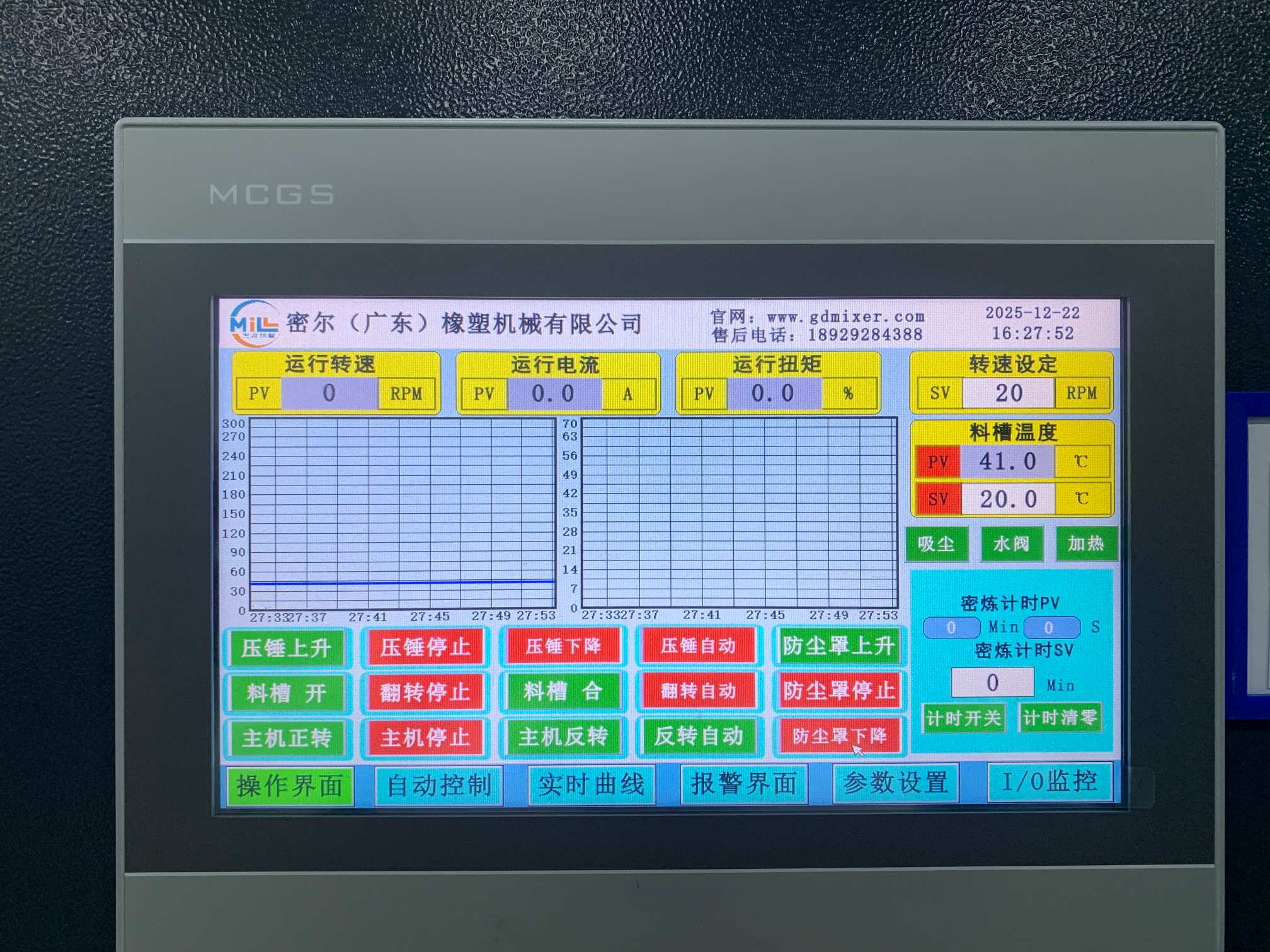
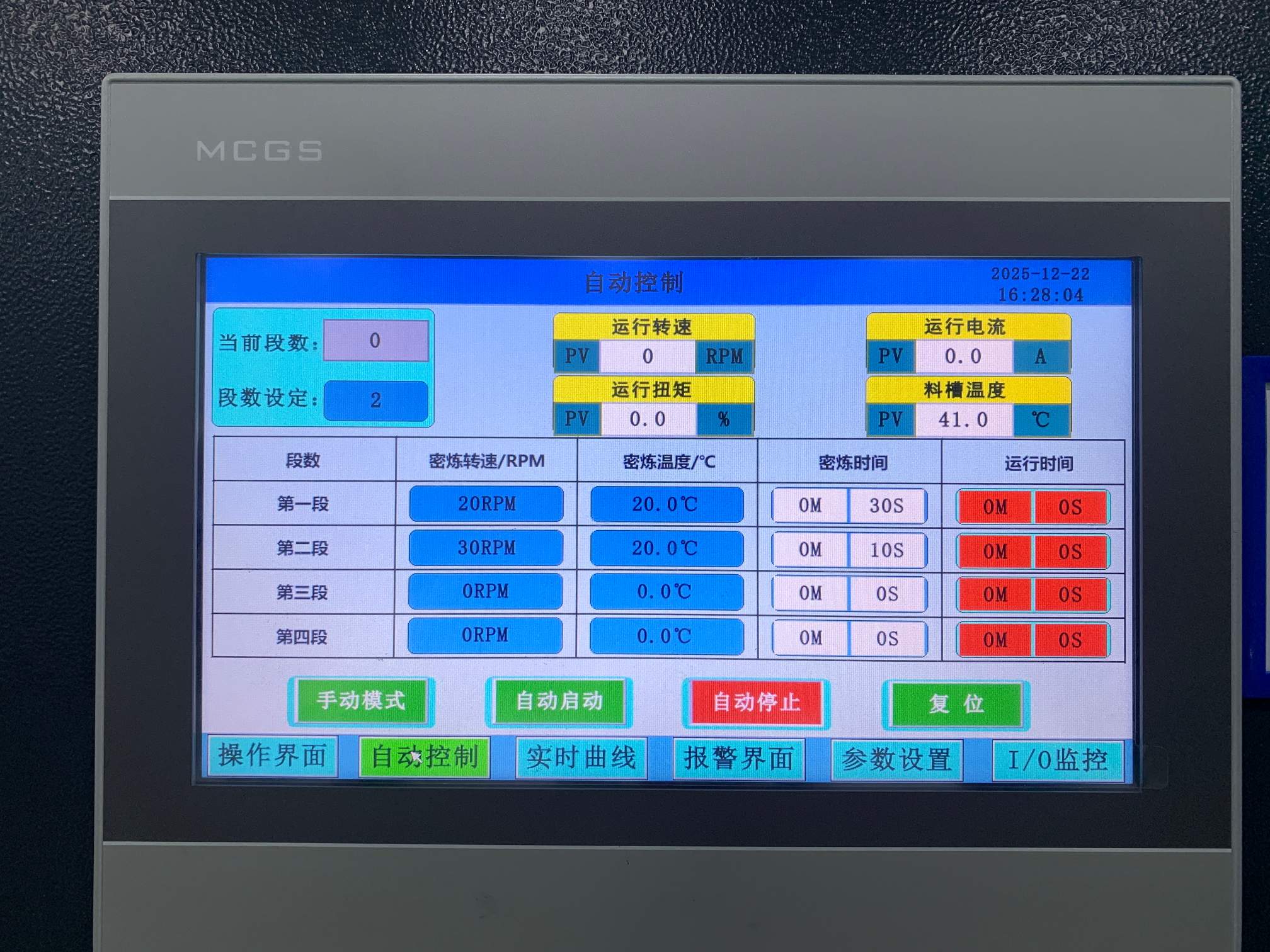
Compared to older generation equipment, contemporary Rubber Mixing Equipment from experienced manufacturers integrates precise PLC controls, robust sealing technology, and advanced rotor geometries. This translates to better process repeatability, reduced material waste, and enhanced operator safety.

Interested in how these technical specs translate to your production line? Our engineering team can provide a detailed analysis based on your compound recipes.

2. MILL Industry Rubber Mixing Equipment Core Advantages and Technical Barriers

With over 15 years of focused R&D in polymer processing machinery, MILL Industrial Co., Ltd. has developed a distinct position in the Rubber Mixing Equipment market. Our approach moves beyond selling standard machines to delivering integrated solutions that build technical barriers through performance and reliability.

#2.1 Proprietary Rotor and Chamber Design

Our core engineering expertise lies in rotor geometry and chamber configuration. We have developed patented rotor profiles that create an optimal balance between tangential (mixing) and longitudinal (transport) flow. This design ensures superior dispersion with lower peak mixing temperatures, protecting sensitive additives and polymers. The result for our clients is a wider processing window and higher-quality compounds.

#2.2 Full-Process Customization Capability

We recognize that a "one-size-fits-all" mixer rarely fits perfectly. MILL Industry supports comprehensive non-standard customization. Whether you need a special discharge door for sticky compounds, integration with automated weighing and feeding systems, or a unique chamber size, our engineering team works with you from concept to commissioning. This full-process support ensures the equipment integrates seamlessly into your existing workflow.

#2.3 Globalized Local Service and Support Network

Owning high-performance machinery requires dependable support. Our global localized after-sales network provides clients with timely technical assistance, genuine spare parts supply, and preventative maintenance programs. This reduces the risk associated with equipment downtime and ensures your Rubber Mixing Equipment operates at peak efficiency throughout its lifecycle, maximizing your return on investment.

These combined advantages—deep technical know-how, flexible customization, and reliable support—directly translate into tangible value: reduced compound cost per kilo, improved product consistency, and enhanced operational uptime for our customers.

Ready to discuss a solution tailored to your specific mixing challenges? Contact MILL Industry for a customized proposal.

3. Rubber Mixing Equipment Typical Applications and Industry Solutions

The versatility of modern Rubber Mixing Equipment makes it indispensable across numerous advanced manufacturing sectors. At MILL Industry, we develop application-specific solutions that address unique industry challenges.

#3.1 Tire Manufacturing and Rubber Goods

* Challenge: Producing tread, sidewall, and innerliner compounds with exacting standards for durability, rolling resistance, and wet grip. Inconsistent mixing leads to tire performance issues and high rejection rates.

* MILL Industry Solution: We supply high-torque, efficient internal mixers capable of handling high-loading formulations with silica and other advanced fillers. Precise temperature control is critical here to achieve the desired polymer-filler interaction (silane coupling). Our equipment ensures batch-to-batch uniformity that is vital for tire performance and safety.

#3.2 Plastic Modification and New Energy Materials

* Challenge: Creating masterbatches, filled compounds (with glass fiber, minerals), and specialized materials for battery components (like conductive additives or separators). These processes often involve heat-sensitive polymers and require excellent distributive mixing.

* MILL Industry Solution: Our mixers offer gentle yet thorough mixing actions with configurable heating/cooling zones. For conductive applications, we can integrate designs that prevent fiber breakage or ensure uniform conductive network formation, which is crucial for battery efficiency and safety.

#3.3 High-Polymer Materials and Ceramic Powders

* Challenge: Mixing high-viscosity elastomers (e.g., for seals, gaskets) or homogenizing ceramic powder blends for advanced ceramics. These materials demand high shear power and often present difficult discharge characteristics.

* MILL Industry Solution: We engineer mixers with robust drive systems and specialized chamber/rotor surface treatments to handle abrasive or sticky materials. Customized discharge mechanisms ensure complete and clean batch removal, minimizing waste and contamination between runs.

In each scenario, MILL Industry's role is to understand the specific material behavior and process goal, then recommend or customize Rubber Mixing Equipment that turns a processing challenge into a competitive advantage.

4. Rubber Mixing Equipment Selection Guide and Common Questions

Choosing the right Rubber Mixing Equipment is a significant investment. Here are key questions to consider and professional guidance to inform your decision.

#4.1 Key Considerations for Your Purchase

1. What is my primary compound type and production volume? Match the mixer's chamber size (working volume) and power to your annual tonnage and batch size requirements.

2. How critical is temperature control for my recipes? Evaluate the cooling efficiency (kW of cooling power) and control system precision, especially for heat-sensitive or high-speed mixes.

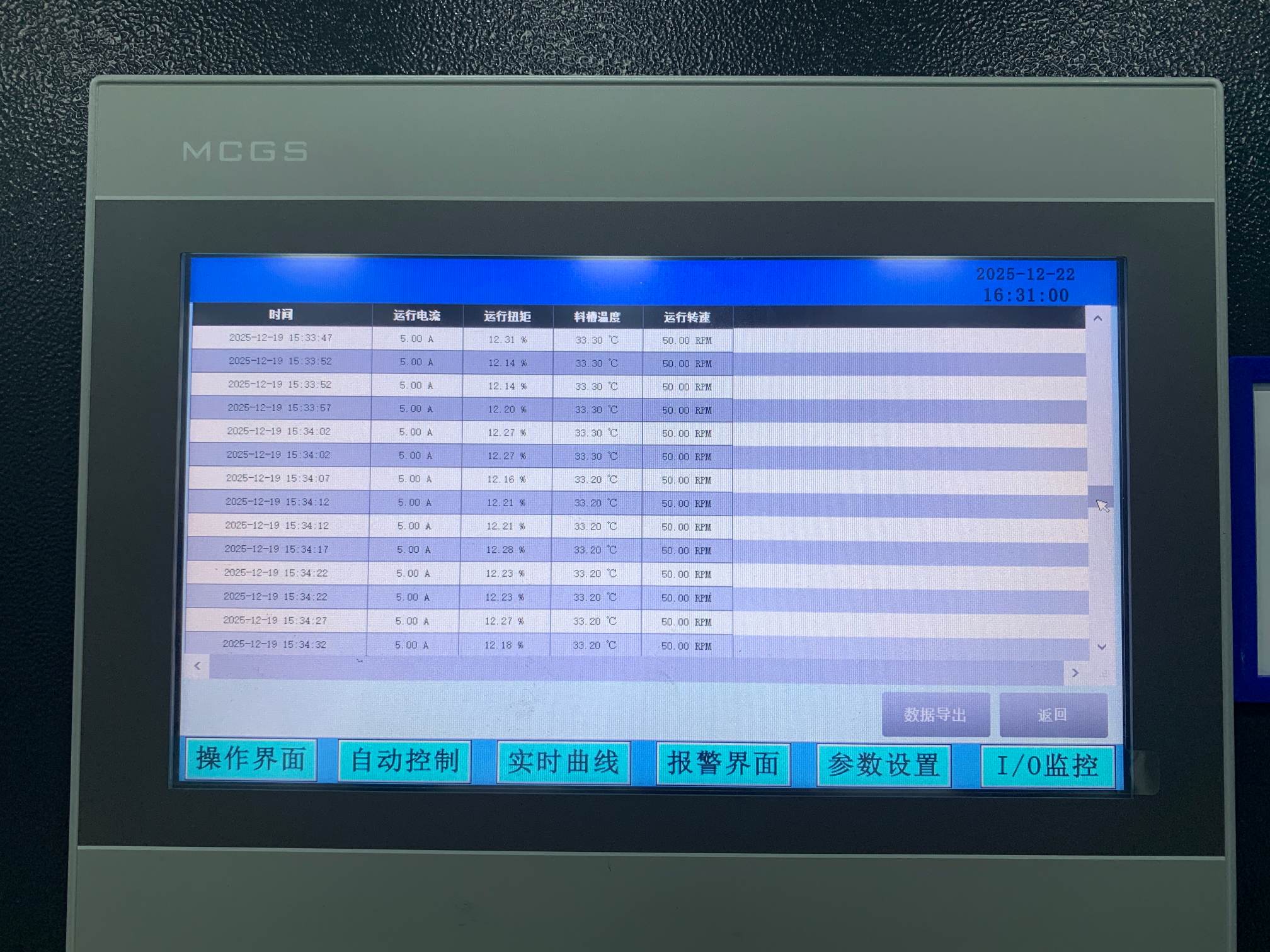
3. What level of automation do I need? Consider future-proofing with options for automated ingredient feeding, process data logging (for traceability), and integration with downstream equipment.

4. What is the true total cost of ownership? Look beyond the initial price. Factor in energy efficiency, expected maintenance costs, spare parts availability, and the supplier's support reputation.

5. Does the supplier offer genuine customization? Ensure they can adapt the machine's features (like feeding ports, discharge mechanisms, liners) to your plant layout and material handling system.

#4.2 Addressing Frequent Buyer Queries

* Q: How do I know if I need a new mixer or if my current one can be upgraded?

* A: An audit of your current mixing cycles, energy use, and final compound quality can reveal bottlenecks. Often, upgrades to controls, rotors, or seals can improve performance. A reputable supplier like MILL Industry can conduct such an assessment and advise on retrofit versus replacement.

* Q: What's the typical lead time for a customized mixing system?

* A: Lead times vary based on complexity. A standard model may be available sooner, while a fully customized system with integration requires detailed engineering and manufacturing. Transparent suppliers provide a clear project timeline from the outset.

* Q: How important is after-sales service availability in my region?

* A: It is crucial. Immediate access to technical support and spare parts minimizes costly downtime. Inquire about the supplier's service network, response time commitments, and training offerings for your operators.

Selecting equipment should focus on finding a partner that offers not just a machine, but a solution backed by experience and reliable support, ensuring your Rubber Mixing Equipment becomes a reliable asset for years to come.

The performance of your Rubber Mixing Equipment is a fundamental pillar of product quality and production economics. From mastering complex material science to ensuring day-to-day operational reliability, the right mixer solution directly influences your bottom line. By focusing on technical capabilities, customization potential, and long-term supplier partnership, you can transform mixing from a necessary process into a source of competitive advantage. To explore how MILL Industry's tailored Rubber Mixing Equipment solutions can meet your specific production goals, reach out to our technical team for a detailed consultation today.

Ready to Transform Your Production?

Get in touch with our team for a customized solution tailored to your specific needs.

Contact
WeChat QR Code

Scan to add WeChat

Home
Chat
Search
Contact

Choose Platform